
By Mia Baldassano
A stress toy turned into an overconsumption haven. The brand that has taken the internet by storm.
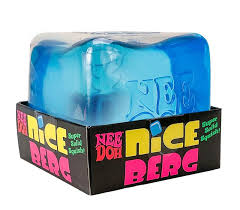
NeeDoh, the fidget toys with a multitude of different textures and colors. From “Nice Cubes” to ice cream to “Fuzzballs” and “Cool Cats”, NeeDoh, made by Schylling, offers a multitude of choices. Made with rubber, and filled with a non toxic, dough-like compound, NeeDoh was created to alleviate stress, reduce anxiety, sensory regulation, and help those with ADHD and autism. They were created in 2017 and were popular among small communities, and had larger popularity during the 2020-2021 fidget craze and now are a successful phenomenon. So how did this toy created for stress reduction turn into a race to buy as much as possible and a product destined for landfills? The answer is complicated.
The rise and fall of NeeDoh is similar to the one of fidget spinners. Similar to NeeDoh, fidget spinners are also stress toys that once took the world by storm. In 2017, fidget spinners had reached their highest popularity. You, your friends and even your mom had one of those spinning toys. At first many used fidget spinners to control their anxiety and to ease their mind, but soon it turned into a toy everyone wanted because others had it. Soon, the toy was banned in schools and taken away from the children who were using it for its rightful purpose. This connects directly to the NeeDoh, which, in many schools, has been banned.
The NeeDoh craze has prevented those who require NeeDohs for their mental health issues from finding them anywhere, and instead they are facing empty shelves. Since the toy’s burst of popularity in the early months of 2026, NeeDohs have been selling out everywhere. No matter where you go, NeeDohs are absent from the spot they were supposed to, and you see signs telling people to be nice to their employees and that they don’t carry any more NeeDohs. This begs the question: How desperate are people to find this stress toy? From waiting outside stores hours before they open to calling stores a million times a day to see if they have NeeDohs, what has society come to and why has this happened? It can be partially linked to influencers.
Influencers on social media tell you what you need to do, hence the title “influence”-r. Specifically on TikTok, “haultok” has become popular, where influencers show off all the lavish things they’ve bought in the last week; now, almost every haul includes a squish toy or NeeDoh. The underlying issue of this is that many believe that if their favorite influencer is buying something, they should also, which causes a cycle of bandwagoning that is hard to escape.
To add on, influencers have begun promoting unhealthy choices involving NeeDohs, which have caused an epidemic of children getting hurt. In February, many told their audience that putting their NeeDoh in the microwave would make them softer and more enjoyable. This small task caused children to burn themself, showing how influencers have power which they have started to use in the wrong way.
The toy isn’t about relieving stress anymore but fitting into social needs. NeeDohs have become a form of overconsumption, or excessive buying of products, beyond what is needed or sustainable. Similar to the case of the Stanley cup, people have begun to fight over a small squish toy, which will eventually end up in discount stores and then in landfills, where NeeDohs will pollute the environment through microplastics.
Moral of the story, NeeDohs in theory have a good purpose and are great to buy a couple of. Sometimes it’s nice to have a variety of textures, but when one buys hundreds of NeeDohs, it turns into overconsumption that is slowly affecting the environment. Moreover, when buying NeeDohs becomes more about fitting in with trends than actually using the product as a stress reliever is when you should take a step back and question whether it is needed. Overall, stop listening to the grasps of societal expectations and instead find what you truly need and want.
