
Most of us naive high schoolers complain about waking up early for school. And for most Chatham kids, that’s around 7:00 a.m. Now imagine your alarm going off two hours earlier, at 5:00 a.m, not for class, but for Olympic training. You squeeze in a practice before sunrise, head to a full-time job/school, work all day, and then go back to practice at night.
For many Winter Olympians, that’s normal life.
I grew up assuming that making the Olympics meant you were set for life: sponsors, shiny brand deals, top facilities. But unless you’re a global superstar like Mikaela Shiffrin or Lindsay Vonn, that’s rarely ever the case. In less popular winter sports such as curling, skeleton, or the biathlon, athletes often receive what is considered a ‘modest’ stipend based on their world rankings. For many, that falls somewhere between $15,000 and $30,000 a year before rent, food, travel, equipment costs, and most importantly, income taxes. And even if they took home that $15,000-$30,000 untaxed to their families, they’d still hover around the US poverty line.
And winter sports aren’t cheap either. Catching flights, having coaching fees, and specialized gear all add up quickly. Prize money in smaller sports might be a few hundred or a few thousand dollars at a time. Helpful, sure. Enough to live on? Not unless you live in a lower-developed country.
So they work real jobs like the rest of society: teachers, nurses, office workers, people in corporate America. They show up like everyone else, then head to training after their 9-5 is over.
What makes it even crazier is the amount of recovery needed. Sports scientists recommend 8 to 10 hours of sleep per night for Olympic-level athletes. Many working Olympians average closer to six. Over time, that lack of sleep can hinder reaction times and increase the risk of an injury. That’s a lot of stress on the body, both physically and mentally.
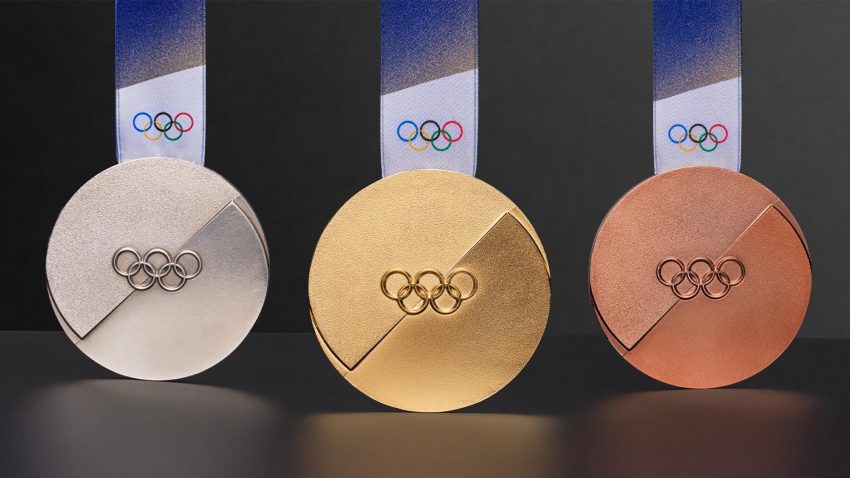
Chris Mazdzer won silver in luge at the 2018 Winter Olympics, becoming the first American man in 42 years to medal in luge. Throughout his career, he openly spoke about his financial strain, working unusual jobs, and living frugally to stay afloat in the sport.
Kikkan Randall also won gold in cross-country skiing at the 2018 Olympics aswell. Early in her career, she juggled part-time work while competing in a sport with minimal advertising opportunities in the US. She still ended up winning her first Olympic gold at 35, while many of her peers in her sport were retired at that age.
Or even take the rising global phenomenon in Alysa Liu, who enrolled at UCLA in the fall of 2023, and took some time off to train, but studies Psychology at a Top 20 university in the country, a school that is so popular it has received the most applications during the 2025 cycle. She capped off these Olympics with two gold medals for Team USA and is now returning to Westwood, where she becomes a college kid again.
Overall, it makes you think about athletes around the world and how talented they are in their respective sports, many of whom dedicate their entire lives to their craft and are considered the best in the world. However, I would argue that the true best athletes are those who balance two lives and still manage to excel at both.
