

Who doesn’t love being with family, laughter echoing through the dining room, and the promise of a feast just moments away? The golden turkey glistens – the proud centerpiece of the table – while the scent of pumpkin pie drifts from the oven, cinnamon and nutmeg infusing the air in a cloud of bliss. The table is set.
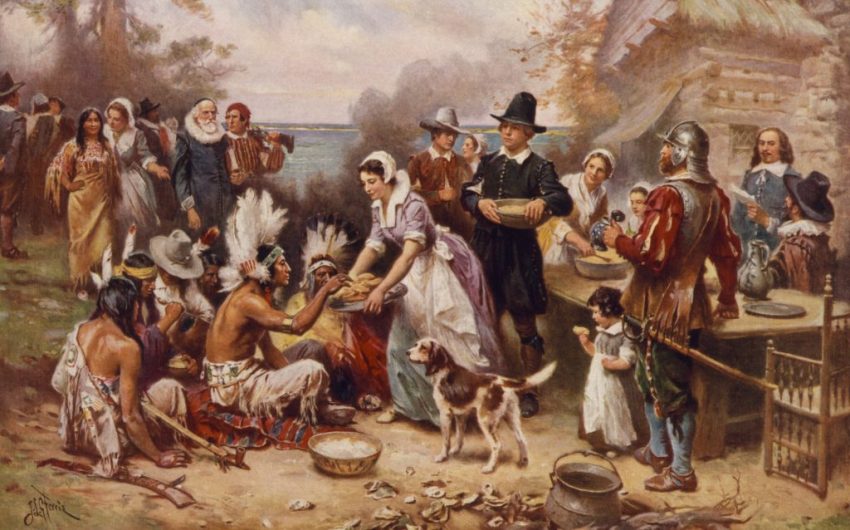
Your family tells the story of Thanksgiving, one that is familiar to most – the story of Pilgrims and Native Americans enjoying a peaceful dinner that followed a peaceful relationship between the people. It’s a comforting tale of friendship, where cultures come together, share food, and start a lifelong tradition that’s sacred to thousands of people.
But what if that story isn’t the whole truth? What if the story we know was the PG rewrite of a far more terrible truth?
In 1620, Plymouth Colony was founded with Pilgrims after sailing to England in search of god… glory… and most importantly, gold. (Yes… that is from my history class) Unfortunately for them, they weren’t the first ones there… The Native peoples had lived on that land for much longer than they could dream of. Things really weren’t going well for the colonizers, as they also struggled with the simple task of survival. Unprepared, more than half of their original population had died out, and the rest were close to death. The harsh temperatures, the new land, and the foreign diseases all fought against them that year, and they wouldn’t have survived. The Wampanoag, a Native Tribe, helped out, and a fragile alliance was created. In 1621, everyone came after a harvest, and the first Thanksgiving was celebrated.
What’s conveniently missing from the family favorite tale is how colonizers like the pilgrims went to the new land with disease, invasive species, and the goal of gold. Their lust for fortunes made them a wolf in sheep’s clothing, while we see them as heroes of a new world, the population of natives went from 15 million to 300,000. It was a massacre. The pilgrims used the natives to their advantage, and when they didn’t need their help, they took everything else they had, too. Their land. Gone. Their Family. Dead. Their lives. Sold.
Some historians continue to argue that the Thanksgiving story we know is popular because everyone loves a story where they’re the hero. The uplifting narrative may be easier to digest compared to the truths that have been uncovered, but erasing the uncomfortable knowledge allows us, as a society, to grow.
The Thanksgiving narrative we celebrate today is only a fragment of the full story – one that deserves to be remembered honestly. Understanding the truth doesn’t erase the holiday, but it does honor whose voices were nearly erased from it.
